Historical Development of Hydrology
 Akram Jan Jaffar
Hydrology — the science of water’s occurrence, distribution, and movement on and beneath the Earth’s surface — has developed over several thousand years, moving from practical observation to a rigorous…
All about the Earth's natural environment, features, and processes, focusing on landforms, climate, soils, water, and ecosystems.
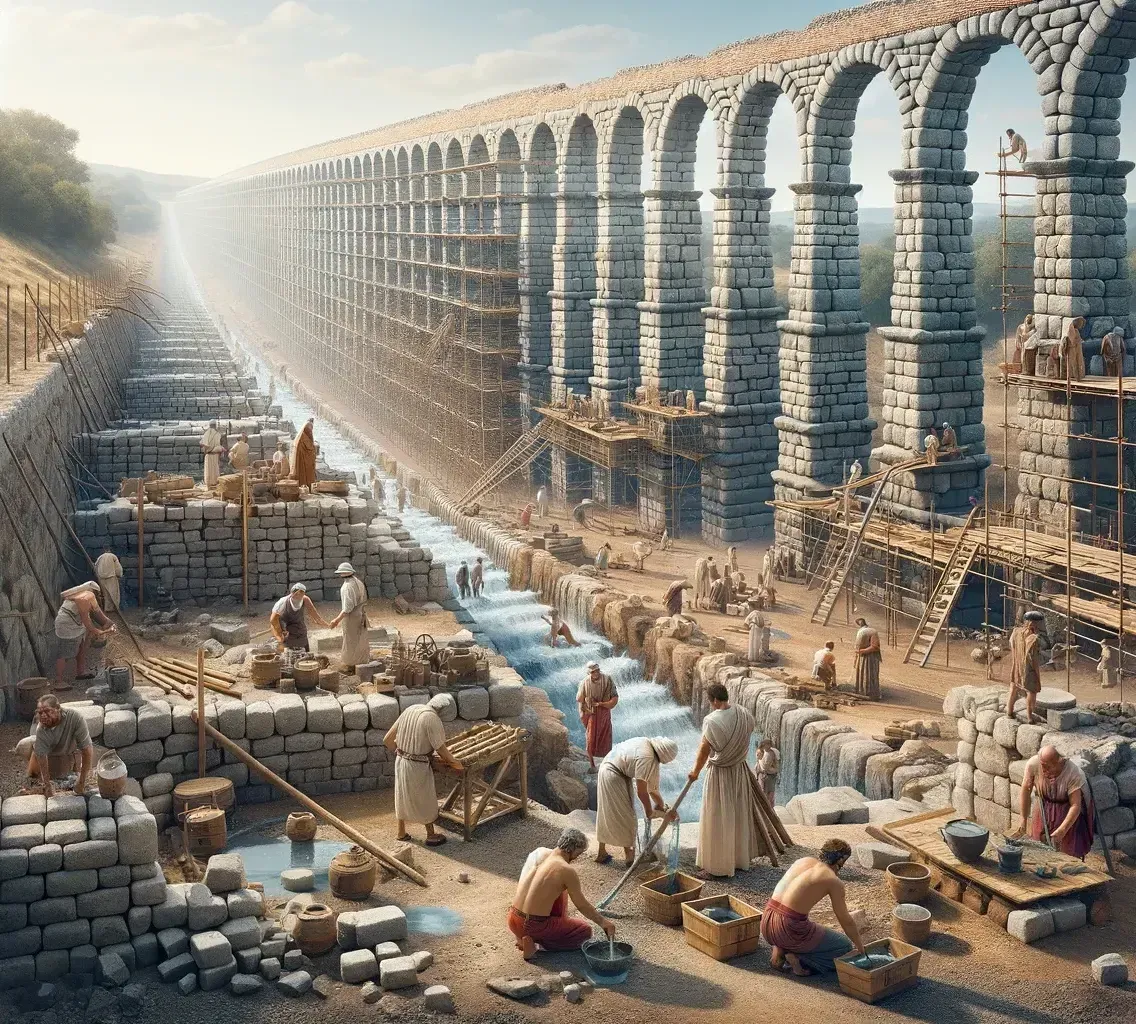
Hydrology — the science of water’s occurrence, distribution, and movement on and beneath the Earth’s surface — has developed over several thousand years, moving from practical observation to a rigorous…
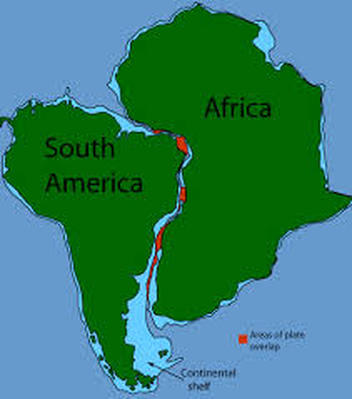
Alfred Wegener’s hypothesis was continuously rejected by most scientists for 40 years. To prove his theory he persisted to keep on studying Earth’s features, visited libraries, and explored evidence until…
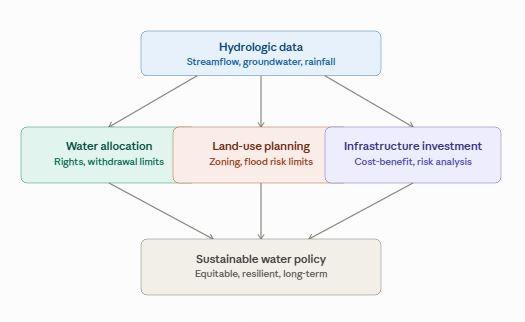
Hydrology—the study of water’s movement, distribution, and quality—feeds into a wide range of real-world work. Here’s an overview of the main practical applications: Water Resource Management Hydrology manages water resources…
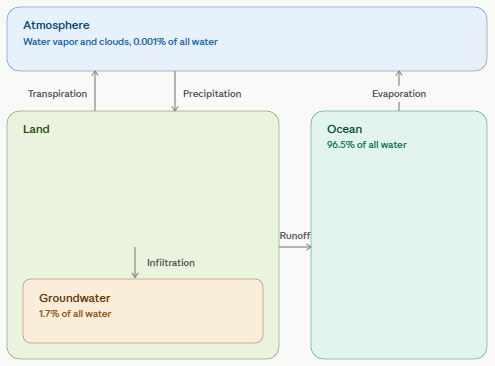
Global Water Budget The global water budget is the accounting of Earth’s total water — roughly 1.386 billion km³ — as it is distributed among reservoirs (oceans, ice caps and…
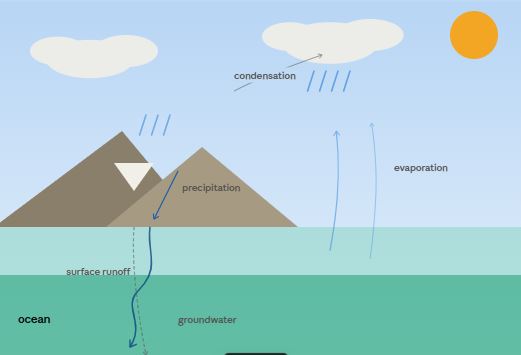
The hydrologic cycle (or water cycle) is the continuous natural process by which water moves through Earth’s atmosphere, land, and oceans. It begins with evaporation, where heat from the sun…
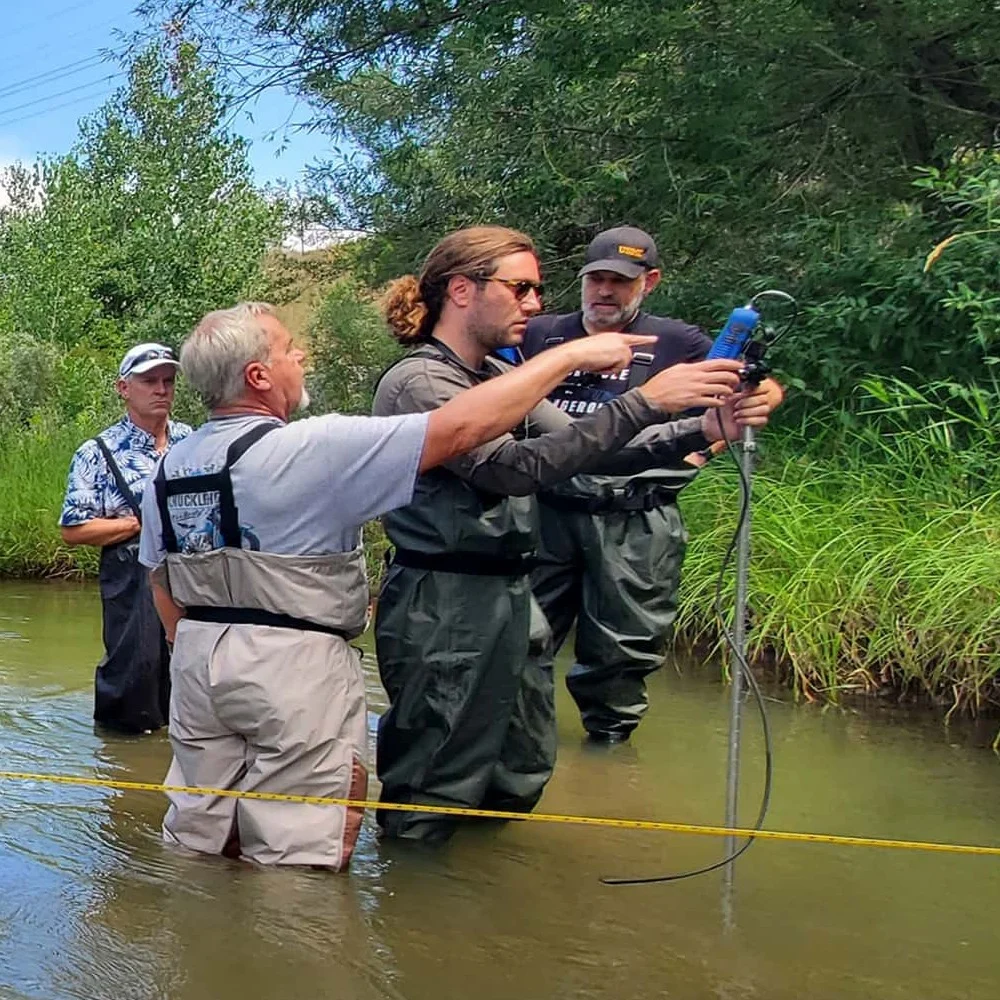
Hydrology is the scientific study of water — its occurrence, distribution, movement, and properties as it circulates through the Earth’s atmosphere, land surface, and subsurface. It examines the complete water…
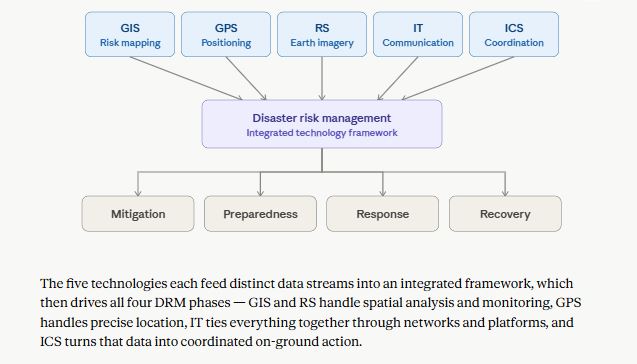
GIS (Geographic Information Systems), GPS (Global Positioning System), RS (Remote Sensing), IT (Information Technology), and ICS (Incident Command System) each play distinct but complementary roles across all phases of disaster…

Pre-Disaster Management Pre-disaster management is a set of activities carried out before a disaster strikes, aimed at reducing risk, building preparedness, and minimising loss of life, property, and livelihoods. It’s…
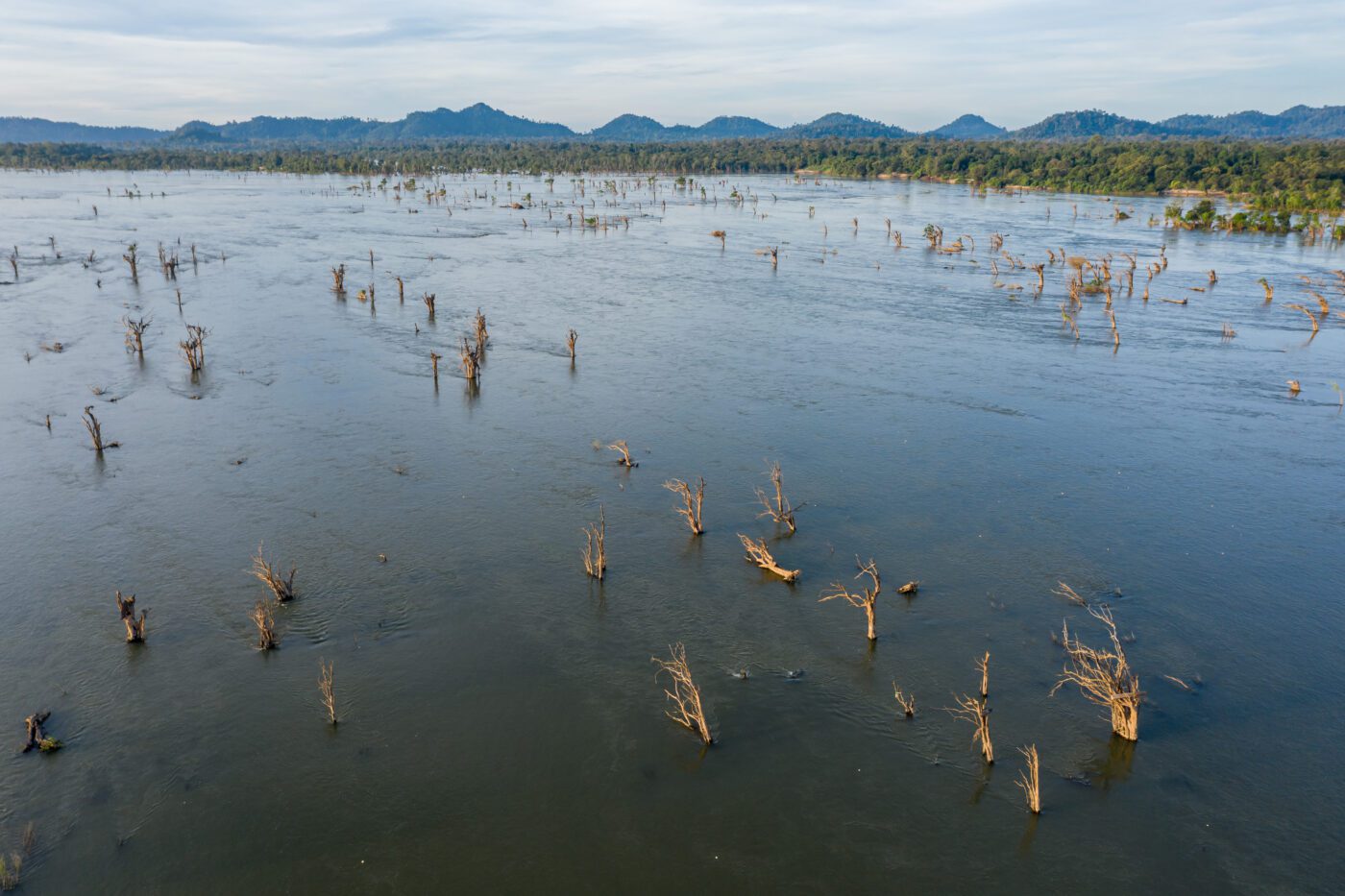
Disasters and Ecosystem Disasters are not random events but the result of hazards (like floods or earthquakes) combining with existing vulnerabilities in society, such as poverty, weak infrastructure, or poor…
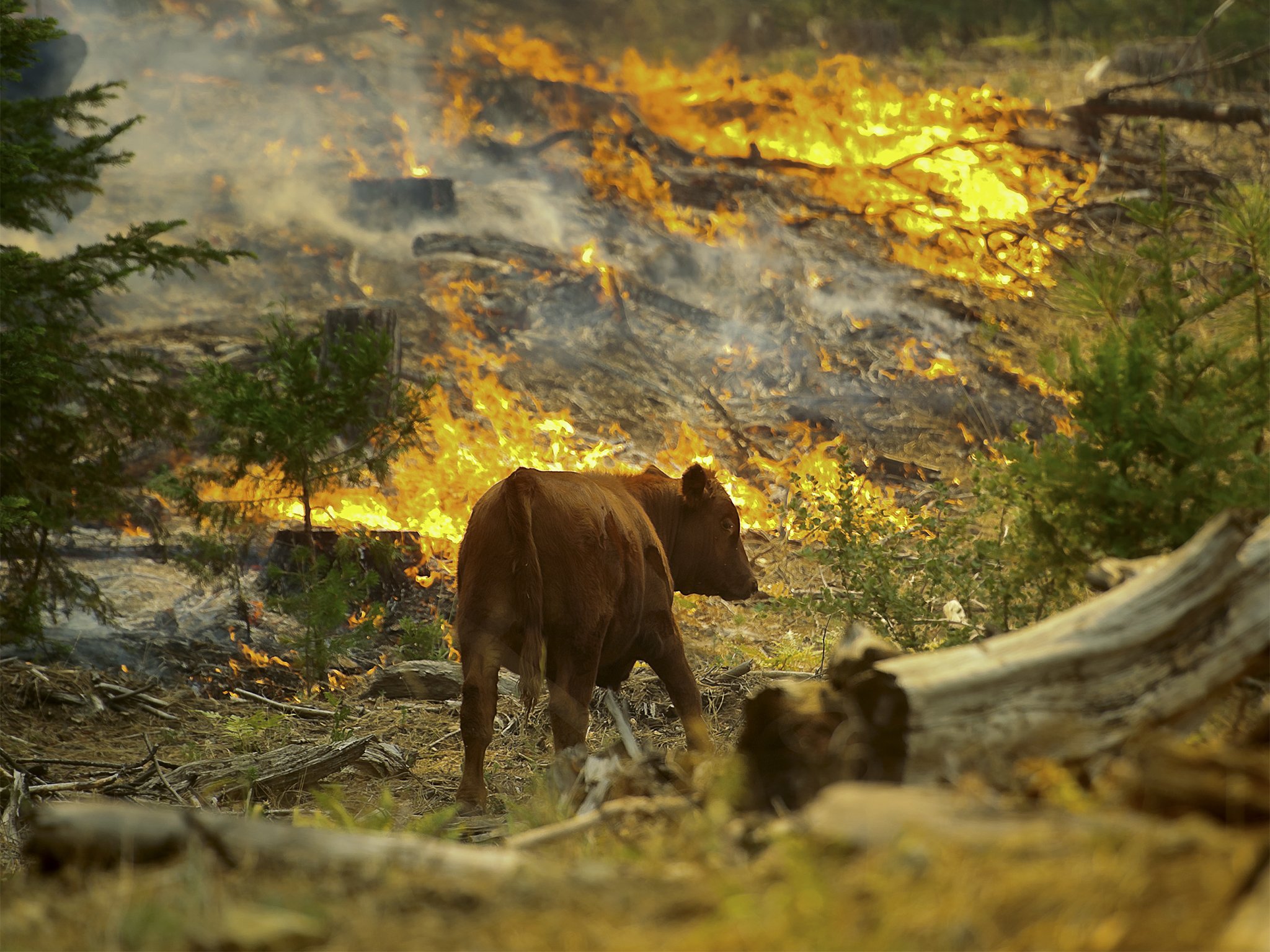
Disasters have profound and often devastating effects on animal life, extending well beyond the immediate destruction caused by the event itself. Natural disasters such as earthquakes, floods, hurricanes, wildfires, and…